How Presentation Coaching Helps Contractors Win Interviews

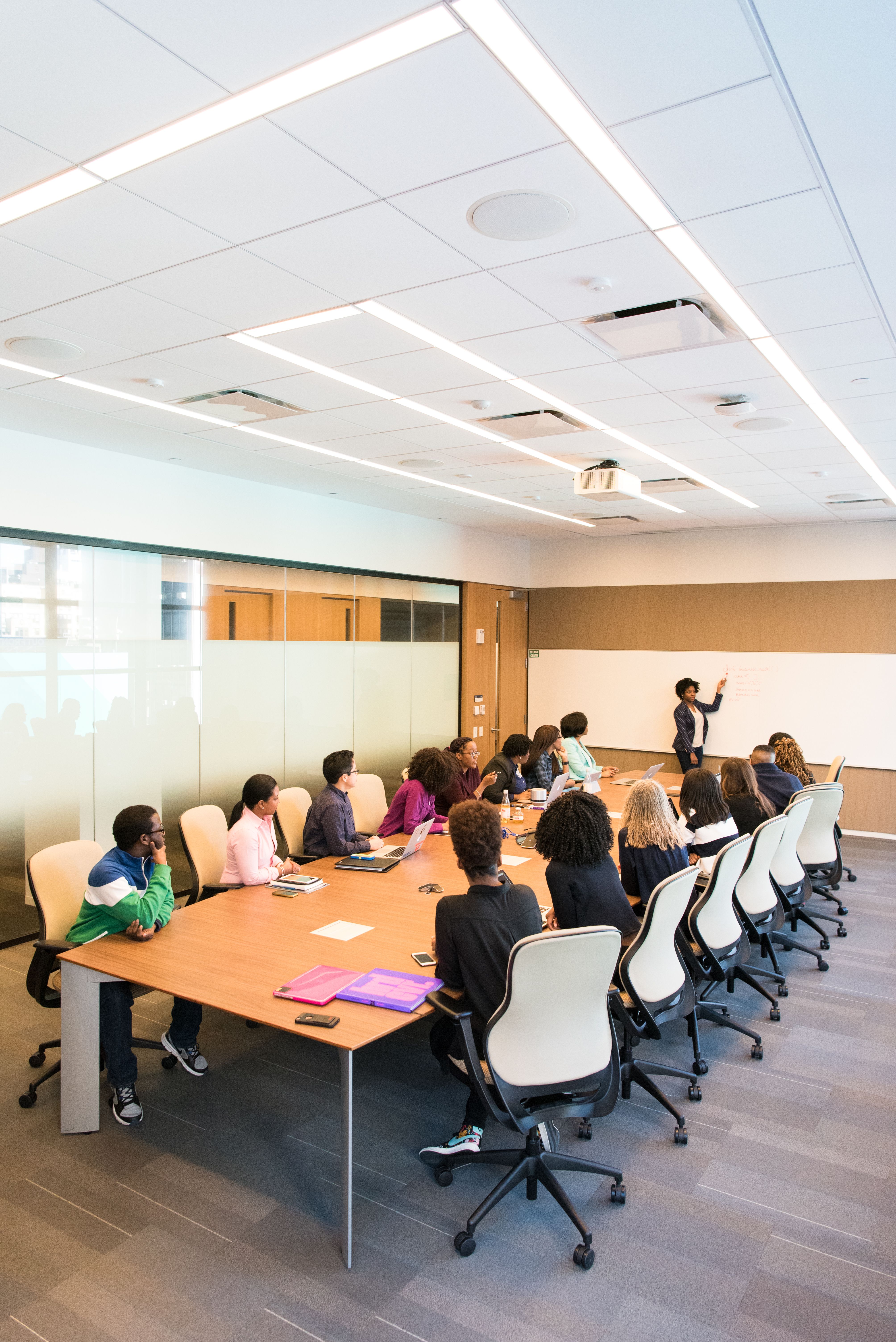
Specialty and general contractors alike are asked to present in front of owners, design teams, and boards. A strong bid can still lose when the presentation fails to convey confidence and clarity. Coaching provides contractors with a direct path to improving those performances before the stakes are high.
Diagnose Before Prescribing
Coaching begins with observation. A coach watches a contractor's current presentation and notes what works and what does not. Common findings include slides that read like brochures, speakers who face the screen, and answers that start with history before reaching the point. This baseline gives the team clear goals for improvement.
Structure That Owners Can Follow
Owners listen for a few things: does the team understand the project, does it have a believable plan, and can the people be trusted. A coach organizes the talk around those questions. The introduction names the owner's concerns. The body covers the plan, the team, and relevant experience. The close restates why the team is the right choice. A predictable structure helps the panel remember the main points.
Specific Proof Over General Claims
Contractors sometimes rely on statements about reputation or values. Coaching pushes toward evidence. A coach asks for numbers, outcomes, and stories: the project finished ahead of schedule, the change orders reduced through early coordination, the safety record maintained over a million hours. These details make claims credible.
Voice, Pace, and Presence
Many contractors speak well in the field and tighten up in front of a panel. Coaches work on slowing down, pausing after key points, and using plain language. Standing posture, hand movement, and eye contact are also adjusted so the presenter looks comfortable. Recording practice sessions makes the progress visible.
Practicing Tough Questions
Panels ask about past problems, staffing, and pricing. A coach prepares the team with honest, concise answers. The aim is not to dodge difficult subjects but to address them calmly. Contractors who show how they handled a past setback often score higher than those who claim it never happened.
Making the Team Cohesive
A contractor's team may include an owner, a project executive, and field leaders. Coaching rehearses how they hand off and support each other. It sets time limits and clarifies who answers which kinds of questions. A coordinated team looks like one that will coordinate on the job.
Coaching for Subcontractor Interviews
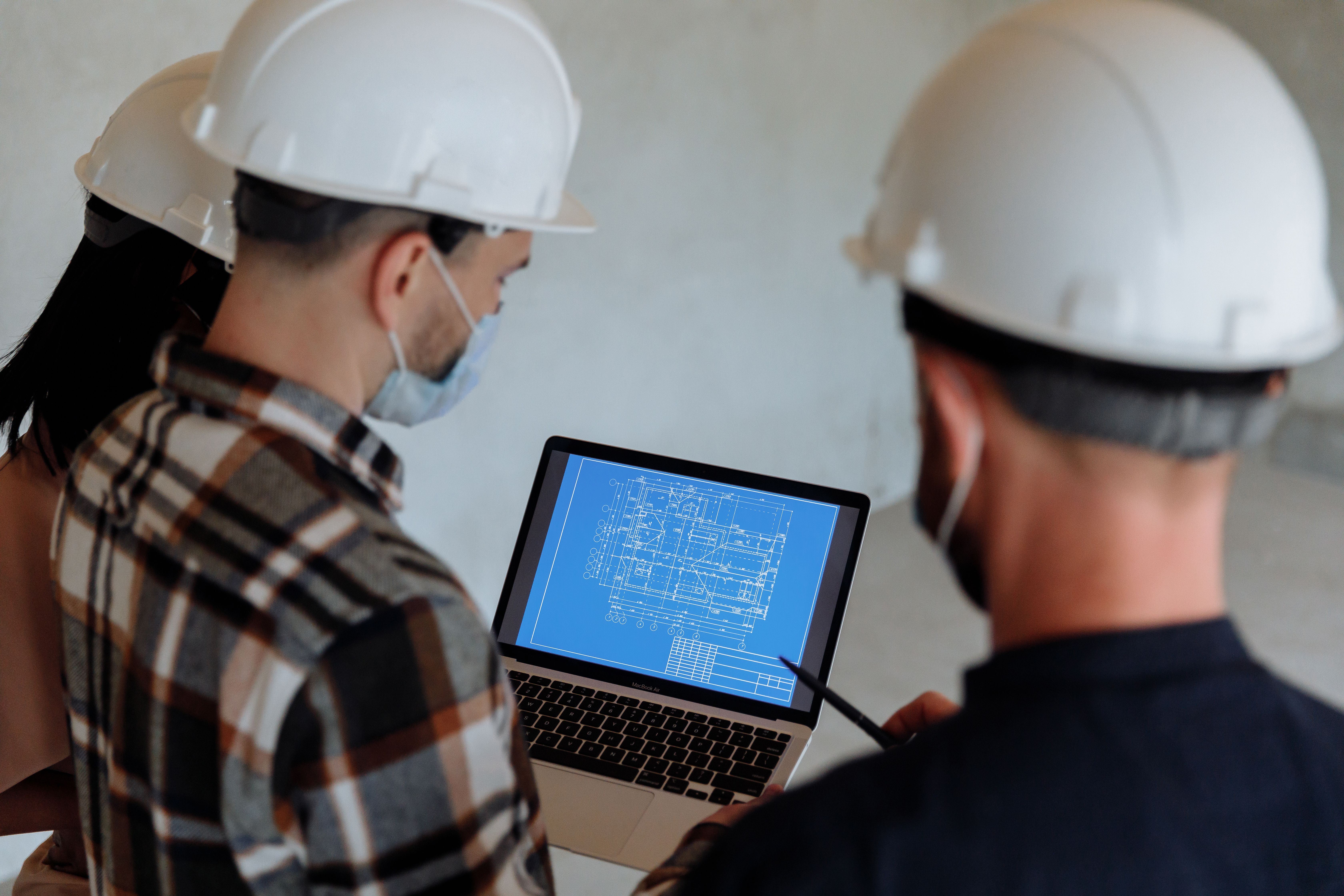
Specialty contractors are increasingly asked to interview with general contractors and owners. They often have less experience presenting formally. A coach helps them describe their scope, manpower, and quality controls in a clear and brief way. A short, confident interview from a mechanical or electrical subcontractor can influence the entire team selection.
Follow-Up After the Interview
Coaching can extend to the follow-up. A concise email that thanks the panel and reinforces two or three key points keeps the team in mind. A coach can review the language and timing. This final touch costs little and often distinguishes a polished contractor from one that disappears after the meeting.
Choosing a Coach
Pick a coach who has experience with contractor interviews and can speak to the questions panels ask. Ask about the format of sessions, the number of rehearsals, and how feedback is delivered. A good fit pairs honest critique with practical suggestions the team can apply the same day. Engage the coach early in the pursuit, when changes to the story and slides are still easy to make.
The Bottom Line
Presentation coaching gives contractors a practical advantage in competitive selections. It improves structure, evidence, delivery, and teamwork using the contractor's own projects as material. For firms whose work is strong but whose interview results are inconsistent, coaching is often the missing piece.